
How Oral Traditions Preserve Alternative Histories
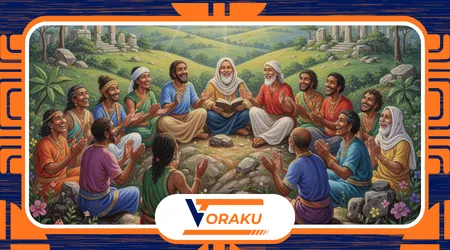
In the dim glow of a campfire in the Australian outback, I once heard an Aboriginal elder, Yidumduma Bill Harney, spin tales of the Dreamtime to a handful of rapt listeners, weaving spirits into the landscape that no surveyor’s map could ever touch.
How Oral Traditions Preserve Alternative Histories unfolded right there, as Harney’s voice carried echoes of resistance and endurance that dusty colonial ledgers had brushed aside.
Those nights weren’t mere storytelling sessions—they felt like quiet rebellions.
Harney, who came into the world in 1930, absorbed narratives from his Wardaman kin about brushes with white settlers, laced with wry humor, raw sorrow, and sly tactics that fleshed out history beyond the page.
Back when I first stumbled on his accounts during my early hunts through overlooked archives, it hit me how these spoken threads patch the gaps in recorded annals.
They don’t simply recount; they reframe through the gaze of the sidelined.
What keeps pulling me in is their subtle strength.
Amid our fixation on files and figures, these traditions serve as breathing vaults, twisting and turning with every retelling.
They safeguard what victors scrub from the script—viewpoints that poke holes in the mainstream tale.
With Harney, his yarns never stayed static; they flexed for each crowd, weaving in fresh takes on land claims and cultural resurgence.
Continue reading the article!
Summary of Article Topics
- Why Do Dominant Narratives Often Overlook Oral Accounts?: Explores biases against oral traditions and historical examples.
- What Forces Shape the Survival of These Hidden Stories?: Discusses power dynamics, gender roles, and patterns in global contexts.
- How Do Oral Traditions Challenge Official Records Today?: Connects to modern legal and cultural revivals.
- Can Everyday People Become Guardians of These Narratives?: Humanizes with hypothetical and real scenarios.
- What Patterns Emerge When Comparing Oral and Written Histories?: Includes a comparative table and impacts.
- How Do These Traditions Influence Modern Behavior?: Examines contemporary influences on psychology, activism, and society.
- Frequently Asked Questions: 6 natural questions with direct answers, embedding links.
++ The Untold Story of Failed Social Experiments
Why Do Dominant Narratives Often Overlook Oral Accounts?
Here’s the rub. Written chronicles crave ink, access, and often a nod from the establishment. For ages, the mighty wielded the pen, the print, the vault.
Oral ways, though, bloom in circles where life hinges on recall and bonds.
They’re rough-hewn democracies—open for hearing, adding, handing off.
Yet that openness breeds doubt among those who worship paper proofs.
From where I sit, this wariness roots in a stubborn cultural slant.
Colonial Europe brushed off oral lore as whimsy or tall tales, shoving it into the bin of folklore.
There’s something unsettling in how this brush-off greased the wheels for theft—of land, of heritage.
British boots hit Australian soil, scribbling their “finds” in logs, all while tuning out the songlines Indigenous folk had etched for eons as guides and codes.
One overlooked twist involves the sway of women in these chains.
++ The Forgotten Conflicts That Shaped Borders
In countless native setups, they held the reins as narrators, tucking wisdom on remedies, ties, and earth into songs and whispers.
These weren’t trifles; they were lifelines.
But when scholars deigned to jot them down last century, the filter was often a Western male gaze, leaching out the subtleties.
++ The Lost Voices Behind Famous Historical Moments
What Forces Shape the Survival of These Hidden Stories?
Authority games unfold in whispers. Invaders didn’t just seize turf; they assaulted recollection.
Across West Africa amid the slave routes, traders from afar and local bosses muffled tales of pushback to keep grips tight.
Griots, those wandering chroniclers and strummers, fanned the embers via sagas like the Sundiata, exalting Mali’s realm through lenses of grit over giveaway.
Peer deeper, and the echo rings out. Ireland’s mid-1800s hunger, dubbed the Great Famine, saw British dispatches pin it on Irish idleness.
But spoken legacies clutched differing truths—Gaelic ballads and yarns spotlighting avarice in estates and neighborly backbone.
These fed the fire for freedom bids later on, revealing how word-of-mouth can nurture uprising.
Over my stints chatting with heirs to such storms, the heft of feeling stands out.
A Dublin descendant shared how her gran’s famine whispers weren’t dry recaps; they doubled as cautions on unfairness, mirroring current rent squeezes. How Oral Traditions Preserve Alternative Histories feels tangible—a lifeline from ache to rally.
Shifts like exodus layer on complexity. Fleeing strife or hunts, folks tote sagas in minds, not packs.
Today’s Syrian exiles voice kin chronicles of Ottoman days that clash with regime-approved tomes, harboring identities poised to redraw fractured lands.
How Do Oral Traditions Challenge Official Records Today?
Leap to our pixel-drenched era, and these traditions still shove against polished pasts.
In America, Black circles have leaned on yarns to undercut slavery scripts that downplay will.
The 1930s WPA grabs caught fragments, yet family relays bare unvarnished edges—escapes, revolts, clever crafts that glossed curricula skip.
An unvarnished take points to how they breed toughness in the edged-out.
They embrace tangled truths, unlike stiff scripts. For Native tribes, spoken pasts tipped scales in court fights for territory.
Maine’s Passamaquoddy in the ’70s leaned on elder lore to affirm unbroken hold, snagging a pivotal win. After? Judges warmed to verbal proofs, nudging history’s gatekeeping.
Still, not pure victory. Worldwide sprawl menaces these veins. Screen-bound youth sometimes shrug off old mouths as relics.
But in Hawaii, revival mixes lore with audio drops, piping Polynesian seafarer epics to fresh ears.
This blend spotlights endurance: traditions morph, clutching alternate tales as forms shift.
Can Everyday People Become Guardians of These Narratives?
Picture a Lagos lad today, ears perked as his uncle unspools kin threads from the Biafran clash.
No lofty odysseys—just close-up survival snapshots: shared scraps, dodged barriers via wits.
They breathe life into eras, sketching how plain souls steer through tempests.
I reckon there’s solid ground to probe stock tales that sidestep these murmurs.
They prop up the usual order. Suffrage lore lauds Anthony types, but Black women’s relays expose shutouts and side fights, deepening our grasp of crossed struggles.
A too-real sketch: a Syrian mom in Europe lulling kids with Aleppo’s heyday glow, countering news feeds of ruin.
These plant seeds of dignity and backdrop, shaping how offspring mesh with new grounds.
What Patterns Emerge When Comparing Oral and Written Histories?
To untangle this, a side-by-side glance helps. Here’s a table from cases I’ve pored over, teasing out contrasts and ties.
| Aspect | Oral Traditions | Written Histories | Overlap/Impact |
|---|---|---|---|
| Accessibility | Welcomes all, banks on shared recall | Demands reading, means | Both spread wisdom wider via tech |
| Adaptability | Shifts per spin | Locked post-print | Spoken sparks tweaks in texts |
| Bias | Tinted by teller’s angle | Steered by scribe’s aim | Prods fuller views from clashes |
| Preservation Challenges | Risks fading with elders | Prone to burns or bans | Online vaults mend breaks |
| Cultural Role | Forges selfhood, grit | Sets sanctioned lines | Sparks chats across eras |
Not comprehensive, but it flags how orals plug holes in scripts, guarding other sides.
Post-recognition? Drives to unpack school plans surged, pressing for mixed voices.
How Do These Traditions Influence Modern Behavior?
The waves touch all corners. Therapy draws from them to reshape hurts—conflict vets recast woes like ancient chanters, seizing back control.
On streets, they stoke change. #MeToo mirrored whisper networks of ordeals, lifting muffled cries.
Scrutinize, and it apes how native orals guarded earth know-how, now feeding green pushes.
How Oral Traditions Preserve Alternative Histories matters sharply in fake-news fogs.
They school us in sifting—tuning in sharp, prizing layers over clips.
Mulling my jaunts from outback fires to Dublin dives, these yarns tie us. They nudge that history’s no solo rant; it’s a back-and-forth, often murmured in dim spots.
Frequently Asked Questions
Why are oral traditions sometimes dismissed as unreliable?
Folks tie trust to what’s touchable, like papers. Yet in many groups, they’re vetted rigorously, catching angles docs dodge, specially from the overlooked.
How can I learn more about specific oral histories?
Dive in with locals or stashes nearby. Spots like The Importance of Preserving Oral Tradition open doors to native angles.
Do oral traditions still matter in the digital age?
Sure—they bend. Audio and clips snag them, keeping the warmth while spreading wide.
What’s an example of oral tradition changing history?
New Zealand’s Māori lore clinched treaty wins in the ’80s, affirming old claims scripts missed.
How do oral traditions connect to personal identity?
They anchor us in joint paths. For plenty, kin tales brew belonging that formal reels can’t touch.
Can oral traditions be preserved without losing their essence?
Yeah, via careful captures.
Peek this YouTube video on preserving Indigenous voices for sparks. And for wider scope, hit The lasting power of oral traditions.
