
The Cultural Evolution of Personal Hygiene
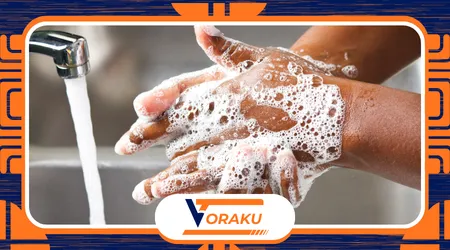
The cultural evolution of personal hygiene catches you in the small, automatic gestures you barely notice—the morning scrub, the quick deodorant check, the way hot water feels like absolution after a long day.
These rituals feel eternal, yet they’re stitched together from centuries of fear, ambition, status anxiety, and the occasional scientific breakthrough that quietly rewrote the rules.
Picture the Sun King, Louis XIV, in his private apartments at Versailles sometime in the 1680s.
Servants dab his face with cloths soaked in orange blossom water twice a week.
He changes his linen shirt every morning.
A full bath? Perhaps twice in his adult life, prescribed by physicians desperate to ease his headaches.
The court reeks of perfume because perfume is the only reliable defense.
No one finds this odd. Cleanliness, in that glittering world, meant visible order—starched lace, powdered wigs, skin that didn’t betray its owner with obvious grime.
The body itself remained a little suspect.
Continue reading the text and learn more!
The Road Map:
- How the Romans Turned Bathing Into Civic Theater
- Europe’s Long, Uneasy Retreat From Water
- One Clerk’s Saturday Night in 1880s Manchester
- When Germs Rewrote the Script
- Advertising and the Birth of Modern Shame
- Why These Old Habits Still Whisper to Us
- Frequently Asked Questions
How the Romans Turned Bathing Into Civic Theater
The Romans didn’t invent bathing, but they turned it into spectacle on an imperial scale.
The Baths of Caracalla could swallow 1,600 souls at once – senators, shopkeepers, freedmen, even the occasional slave slipping in on the cheap.
They soaked, sweated, gossiped, struck deals, flirted under the mosaics while attendants scraped them down with strigils.
Water was politics: emperors built ever-larger complexes to buy loyalty. For the price of a coin, a bricklayer could spend an afternoon pretending the empire belonged to him too.
What rarely gets discussed is how perfectly the ritual performed equality while preserving every hierarchy.
Slaves did the scraping; citizens emerged perfumed and polished. Bathing wasn’t just hygiene – it was the daily reenactment of Roman civilization itself.
++ The History of Timekeeping in Daily Life
There’s something quietly revealing in that: even at its most communal, cleanliness has always drawn lines.
++ Why Certain Foods Became Cultural Symbols
Europe’s Long, Uneasy Retreat From Water
When the western empire crumbled, the great marble pools cracked and filled with silt. Public bathing didn’t disappear overnight, but it shrank and changed shape.
Medieval towns kept smaller bathhouses where townsfolk steamed away the week, sometimes men and women together, sometimes not.
Physicians still recommended warm water to balance the humors. Peasants washed in rivers when they could heat enough water for a tub.
++ The Forgotten Origins of Public Holidays
Changing linen remained the great equalizer – a fresh shirt could make a laborer look almost respectable.
Then fear arrived in waves. The Black Death, syphilis, moral panic about mixed bathing.
By the late 1600s, respectable voices insisted hot water opened the pores to pestilential air. Louis XIV’s sparse habits weren’t eccentricity; they were medical orthodoxy.
People still cared desperately about not smelling offensive to their neighbors – they just did it with dry methods: frequent linen changes, herbal sachets, heavier and heavier perfume.
I keep coming back to the diaries. The honest pattern is unmistakable. Cleanliness never vanished; it simply migrated from the skin to the social surface.
When you look closer, the same dance repeats across cultures: hygiene is always less about the body than about belonging.
One Clerk’s Saturday Night in 1880s Manchester
Imagine Thomas, twenty-four, a junior clerk in a damp Manchester cotton warehouse, sharing a single room with two others.
Every morning he splashes face and hands at the yard pump.
Saturday nights he hands over sixpence at the public baths, strips, lowers himself into the hip tub, and emerges pink, righteous, and – he hopes – visibly improved. His starched collar is armor.
It announces, louder than words, that he is not one of the unwashed mill hands coughing their way through the fog.
His grandmother still muttered warnings about bathing too often. But Thomas has read the newspapers about “germs.”
He’s seen the Pears’ soap advertisements promising social salvation.
He believes, with the convert’s fierce certainty, that daily attention to his body is the ladder out of the cholera-haunted past.
The cultural evolution of personal hygiene isn’t abstract for Thomas. It is personal ambition wearing soap and water.
When Germs Rewrote the Script
Pasteur, Lister, Koch – their microscopes didn’t just reveal bacteria; they flipped the entire moral universe of cleanliness.
What had been occasional and often medicinal became daily duty. Bathing turned patriotic, scientific, almost sacred.
Reformers built municipal baths in every industrial city, handing out free soap to immigrants and the poor. Doctors declared that personal cleanliness prevented not only typhus but moral slippage.
The shift was total. Plumbing moved indoors. The private bathroom replaced the public bathhouse as the new confessional.
Soap stopped being luxury and became necessity. And somewhere in the 1920s the daily shower slipped from aspiration into expectation for the middle class.
What Changed After This?
Everything, in ways that still feel intimate.
Before germ theory, bathing was sporadic, often medicinal; cleanliness lived in fresh linen and scent.
After, visible dirt became moral failure.
Advertising invented “B.O.” as a fate worse than actual illness.
The Cleanliness Institute – yes, a real lobby funded by soap makers – blanketed schools and magazines with the message that skipping your bath threatened your job, your marriage, your place in decent society.
Here the cultural evolution of personal hygiene pulled its sharpest trick: it convinced us our bodies are naturally offensive and that only constant purchasing can redeem them.
There’s something unsettling in how smoothly that message took root.
Advertising and the Birth of Modern Shame
I’ve spent enough time with old magazines to see the machinery at work. Lifebuoy warned that body odor could cost a promotion.
Lux offered Hollywood skin. Ivory was “99 44/100% pure,” leaving the missing fraction to haunt your conscience. By the 1950s the eight-minute daily shower had become non-negotiable across much of the West.
We absorbed the lesson so completely that questioning it feels almost indecent.
Travelers still notice the difference in Japan or parts of Scandinavia – shorter, less frantic, but no less effective.
The rhythm isn’t universal. It never was. It’s cultural, not biological destiny.
++ The history of hygiene: Invisible protection through the ages
Why These Old Habits Still Whisper to Us
We stand under the shower every morning performing a ritual older than electricity, shaped by forces we rarely name: class panic, contagion terror, the profit motive, and that deep human ache to be acceptable.
The water carries away more than dirt. It washes away the evidence that we were ever anything but the polished version we present to the world.
The victories are real – fewer epidemics, safer childbirth, longer lives. Yet something got lost too.
We’ve become strangely alienated from the very bodies we scrub so diligently.
The cultural evolution of personal hygiene delivered public health miracles and private unease in the same bar of soap.
And still we lather, rinse, repeat, half-aware that the script was written long before we were born.
Frequently Asked Questions
Did medieval people really never bathe?
No, and the “filthy Middle Ages” story is mostly 19th-century propaganda. Bathhouses operated, rivers served as free tubs, and changing linen was universal.
Full immersion happened less often than today, but people were far cleaner than the caricature suggests.
Was Louis XIV actually filthy?
By our standards, yes – full baths were rare. But he washed daily with cloths, lived in clouds of scent, and followed the best medical advice of his time. His habits reflected doctrine, not neglect.
When did daily showering become the norm?
For the Western middle class, the early twentieth century. Home plumbing, germ theory, and relentless advertising turned what had been weekly into daily.
Before the 1880s it simply wasn’t expected.
Does bathing more always mean better health?
Not anymore. Over-washing strips the skin’s natural barrier and microbiome.
Plenty of dermatologists now quietly suggest “less is more” – a small rebellion against a century of marketing.
Why do some cultures bathe less frequently than Americans?
Different climates, plumbing economics, and historical paths. Japanese ofuro traditions focus on soaking and calm; many Mediterranean cultures rely on bidets and targeted washing.
Frequency has always been cultural, never absolute.
Will future generations find our shower obsession as strange as we find powdered wigs?
Almost certainly. Microbiome research and growing water scarcity are already shifting the conversation.
The only real constant is that every era redefines “clean” to match its particular anxieties and dreams.
Recommended Video
