
The Overlooked Role of Climate in the Collapse of the Maya Civilization
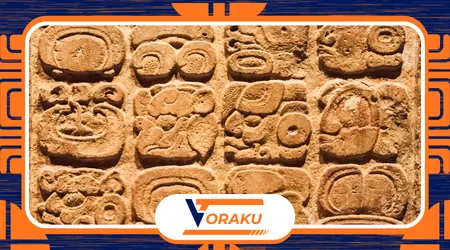
Dust coats Ixchel’s tongue like bitter ash as he stands at the edge of his milpa in late 800s Chichen Itza.
The cornfield his family has tended for generations now cracks underfoot.
Months without rain—again. Faint chants to Chaac drift from the distant pyramid, sounding hollow against the dry air.
He wipes sweat, wondering if the gods have turned away. He doesn’t yet grasp it, but the sky isn’t just stingy; it’s exposing every fracture in a society built on fragile balance.
The overlooked role of climate in the collapse of the Maya civilization begins here, in these parched fields, far from the stone monuments that still whisper of glory.
Among the ruins the question presses: how does a people who mapped stars and carved cities from jungle let it all slip away?
Old tales blame curses or endless wars, but lake sediments and cave drips reveal centuries of drought etched in mud layers.
What rarely gets discussed is how those dry spells didn’t just contribute—they pried open every hidden weakness.
There’s something quietly disturbing about it: even brilliance falters when the rains vanish.
Keep reading and learn more now in our article!
Article Summary
- What ignited those endless dry spells — Natural cycles + human deforestation created a perfect storm of aridity
- How everyday Maya choices baked drought into ruin — Daily decisions and rigid hierarchies turned stress into collapse
- Why the Maya’s thirst lessons still elude us — Parallels to modern water crises and our own blind spots
- Might the Maya have sidestepped the brink? — Moments of ingenuity that were ultimately overwhelmed
What Ignited Those Endless Dry Spells Across Maya Lands?
Lakebed mud from Chichancanab shows gypsum spikes—evaporation’s cruel signature. Rainfall plunged up to 70% in brutal peaks between 800 and 1000 AD.
Atlantic heat pools shifted, El Niño rerouted moisture, volcanic cooling dimmed the sun.
But a detail often missed cuts deeper: the Maya helped build their own trap.
They cleared vast forests to feed growing populations and fire lime for endless monuments—20 trees per square meter of plaza.
Models show this warmed local air, stifled cloud-forming evaporation, and scorched already thin soils. Yields collapsed.
Hunger didn’t arrive as thunder; it gnawed, fraying trust in rulers who promised godly favor but delivered dust.
In my view, this loops back on their own success. They pushed edges with raised fields and swamp drainage, but ignored the breaking point.
Elites skimmed reservoirs for royal use, villages scraped condensation.
After the 760 AD dry spell, people drifted north to wetter zones, overloading those too. Prosperity breeds blind spots.
++ Why Ancient Athens Would Be Unrecognizable to Us
How Did Everyday Maya Choices Bake Drought into Ruin?
Picture a Palenque scribe in the mid-800s, fingers stained black, etching a stela under a heat haze that turns the palace pool into a midday mirror.
Word from home: the milpa’s stalks brittle, children crying for thinned gruel.
He adds flourishes to the abundance glyph anyway, but last harvest’s market riot lingers—crowds turning on rain-priests, demanding more than bloodied altars.
++ The Hidden Economic Forces Behind the American Civil War
Pollen traces and bone scatters confirm it: forest cover crashed just as thirst peaked.
The overlooked role of climate in the collapse of the Maya civilization deepened through these daily routines.
Marginal plots were plowed, fragile soil washing away scant drops.
Rulers, obsessed with eternal facades, diverted labor from hardy crops to kilns devouring sacred ceibas.
Afterward, silence settled unevenly. Cities hollowed, reservoirs choked with silt, plazas swallowed by vines.
Northern holdouts like Uxmal adapted with cenote shafts.
Lowlands? Populations halved, trade routes severed. The god-king aura fractured; unmet promises sparked uprisings.
A more honest reading than the old collapse myths? Climate peeled away the illusion of control.
Overpopulation strained the system, but without that arid hammer, migrations or crop shifts might have steadied things.
Famine instead kindled kin turning on kin over the last full granary.
++ 10 Quiet Choices That Shaped the Outcome of World War I
Why Do the Maya’s Thirst Lessons Still Elude Us?
Cut to a Fresno grower in 2023, staring at cracked orchards as pumps strain under another heat dome.
He thumbs an app for rain odds—much like a Maya elder scanning barren vaults.
The thread from then to now is taut: both eras face amplified extremes where human footprint meets atmospheric caprice.
The overlooked role of climate in the collapse of the Maya civilization echoes in our megadroughts, wildfires chasing floods, aquifers bleeding dry.
Connect those dots and the chill deepens. Maya clear-cutting slashed soil carbon by 70–90%, hastening erosion; our vast monocrops and sprawl do the same, cranking planetary fever.
Power dynamics align too: lowland farmers starved while elites bathed; today, equatorial workers flee baked fields as boardrooms tout carbon offsets.
Plenty of reason to question the tidy “Maya hubris” parable. It lets us off easy. They adapted impressively—drought-tolerant seeds, enduring reservoirs.
Rigidity undid them: a cosmology tying kings to rain discouraged systemic change. We mirror that, propping endless growth while ignoring planetary red lines.
| Maya Strain | Back Then: Response | Today’s Parallel | Modern Ripple |
|---|---|---|---|
| Century-long aridity | Rite-heavy elites, water wars | Southwest U.S. megadrought | Stalled policy, migrant crises |
| Forest clearance | Rampant tilling, soil fatigue | Amazon/Indonesia logging | Habitat loss, global heat rebound |
| Caste-bound water | Tribute failures, peasant unrest | Corporate vs. communal access | Inequality gaps, greenwashing |
These lines trace the refrain: environmental stress meets entrenched power, sparking chains we could still break.
Might the Maya Have Sidestepped the Brink?
Imagine a Copan builder around 850 AD, knee-deep in reservoir muck, stone adze in hand.
Mind racing: seal this with clay to stop leaks, ridge hills to hoard runoff?
Elders mutter—Chaac gives or withholds. He sketches in mud anyway, dreaming of fields that defy the sun.
Archaeology hints at such sparks—Caracol lasted longer by sparing groves, diversifying diets. But systemic inertia won.
For me, the real tragedy wasn’t weather’s cruelty but the refusal to rewrite their story mid-crisis. Wars drained labor from innovation; ideology veiled practical fixes.
Seldom said aloud: this haunts our habits. We chase miracle tech—cloud seeding, desalination—while dodging the hard social surgery: fairer resource flows.
The Maya show that collapse isn’t apocalypse; it’s adaptability quietly abandoned, roots withering unseen.
Those stones still bake under relentless sun—not as warnings of doom, but as prods to pivot. We have satellites tracking vapor trails, models mapping tipping points.
Their cenotes were strokes of genius; ours could span oceans. Climate will test us. Will we meet it with the humility they lacked?
Their lowland cities fell silent, yet the Maya live on in millions of descendants speaking Yucatec and weaving baskets.
That stillness asks only one thing: listen to the land before it hushes you.
Frequently Asked Questions
Did drought alone empty the Maya cities?
No—it combined with soil exhaustion, city-state wars, and rulers too rigid to adapt fast. Drought lit the fuse.
How do we know about these ancient dry spells?
Lake mud cores and cave stalagmite chemistry show sharp moisture drops exactly when major centers faded.
Did the Maya try to fight the changing climate?
Yes—some built massive catchments, switched to hardier crops. But tradition often blocked bolder changes.
What connects this to our water problems today?
It shows how deforestation and overuse make bad weather worse—urging smarter land use and fair sharing.
Could a modern city face something similar?
Absolutely. Think Phoenix, Cape Town, or Las Vegas running dry, with fights over the last drops.
++ Climate and the Collapse of Maya Civilization
