
Why Some Historical Truths Were Intentionally Erased
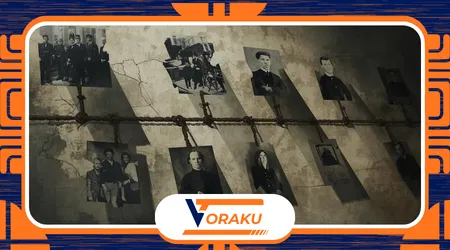
Picture this: It’s 1938 in Moscow, and you’re leafing through a state-issued photo album of the Soviet elite.
There’s Stalin, grim as always, standing beside his enforcer Nikolai Yezhov, the architect of purges that swallowed thousands whole.
A year later, Yezhov’s vanished from the shot, airbrushed out like he was never there.
Some historical truths were intentionally erased not by oversight, but with cold precision, leaving voids that hint at how fragile power really is.
I’ve pored over these faded archives for years, and what hits me hardest is the sheer intent behind it all.
Leaders don’t stumble into forgetting; they orchestrate it, slicing away threats to their carefully built myths.
With Yezhov, Stalin didn’t just execute him—he erased him from the visual record, retouching images by hand in a pre-digital world that feels almost artisanal in its cruelty.
But why the effort? Control demands a seamless story, and messy facts crack that veneer.
Dig deeper, and the motif echoes through time: pharaohs defacing rivals on temple walls, emperors purging scrolls.
What slips by too often is the ripple effect—not only on the vanished, but on the warped worldview handed down to everyone else.
There’s something deeply unsettling in how these acts linger, shaping suspicions we carry today.
Keep reading to learn more!
Why Do Leaders Turn on Their Own and Wipe Them Away?
In my reading, these erasures hit closest when it’s insiders who know the dirt.
Yezhov wasn’t some distant foe; he was Stalin’s right hand in the Great Terror, engineering show trials that doomed millions to camps or worse.
Once the bloodletting served its purpose, Stalin flipped the script—shot Yezhov in 1940, then scrubbed him from photos with meticulous care, a process that demanded artists to repaint reality.
This echoes ancient precedents, like in Egypt where Akhenaten’s radical sun-god cult upended the priesthood’s hold.
++ The Hidden Role of Minor Figures in Major Events
After he died, heirs like Tutankhamun didn’t just revert; they hammered his likeness off monuments, erasing his cartouche to restore the old order.
Social forces churned here—priests clawing back authority amid fears of societal unraveling post-reform.
Quietly, what followed was a brittle stability; Egypt’s golden age dimmed, innovation stifled under the weight of enforced tradition.
Jump to now, and it’s subtler but familiar: politicians delete tweets with disgraced allies, or regimes block access to old speeches.
The honest take?
Erasure isn’t amnesia—it’s strategy, realigning the past to fit today’s power plays, much like how corporate scandals get glossed over to protect brands.
++ How Historical Silence Shapes Modern Narratives
What Happens When Whole Chapters of Violence Disappear?
Some historical truths were intentionally erased en masse, devouring events that laid bare deep fractures.
The Tulsa Race Massacre in 1921 stands out raw: in Greenwood’s “Black Wall Street,” a prosperous Black enclave, white mobs razed blocks, killed hundreds, displaced thousands—all sparked by a fabricated threat.
For generations, this evaporated from schoolbooks and local memory, hushed by authorities dreading accountability or unrest.
Why the blackout? Post-World War I tensions boiled over—Black soldiers home from Europe, demanding rights in a Jim Crow South clinging to supremacy.
Officials spun it as a mutual “riot,” newspapers skimmed details, commissions buried reports.
The silent shift? Ignorance bred complacency, entrenching segregation.
It still molds attitudes, fueling distrust in official race histories; see how Black Lives Matter digs up these graves, compelling uncomfortable dialogues that echo Tulsa’s unresolved pain.
Picture a Black shop owner in 1921 Tulsa, stacking shelves amid whispers of envy from across the tracks.
A rumor ignites, and his life’s work goes up in flames—along with neighbors’ dreams.
This human lens reveals erasure’s sting: not dry facts lost, but lives unraveled, futures stolen.
The thread pulls through to today, where suppressed videos of injustice mirror that old silence, perpetuating cycles we pretend we’ve broken.
++ The Forgotten Civilizations That Vanished Without Records
How Do Beliefs Fuel the Torch of Cultural Oblivion?
When ideologies clash, erasures can sweep wide, torching symbols that defy the creed.
The Islamic State’s demolition of ancient wonders in Iraq and Syria—crushing Nimrud’s Assyrian relics, blasting Palmyra’s arches—framed as smashing idols, but rooted in a purist vision erasing layered pasts to impose uniformity.
A overlooked nuance: this parallels Byzantine iconoclasm in the 700s, emperors shattering holy images to “purify” faith amid theological rifts.
Afterward? Rebuilt churches, but a scarred psyche—artistic expression wary, knowledge gaps in theology.
Nowadays, it informs fights over museum repatriation, where colonial thefts stripped cultures bare, leaving echoes in identity politics.
Some historical truths were intentionally erased via flat-out denial, like Holocaust minimizers post-1945.
Writers like David Irving mangled evidence to downplay camps, driven by buried antisemitism thriving in war’s shadow. Societal undercurrents?
Resurgent nationalism dodging guilt. The subtle aftermath: justice stalled, feeding today’s online hate.
Good grounds exist to challenge polished histories that sidestep these twists—they let old poisons resurface unchecked.
Can We Ever Piece Back What’s Been Shattered?
Piecing it together takes grit, and it’s rarely tidy.
The 1915 Armenian Genocide—Ottomans slaughtering over a million, then torching records and rebranding massacres as “relocations”—faced Turkish denial for nationalist reasons, avoiding claims on land or reparations.
Amid empire’s fall, a fledgling republic scrubbed the slate to forge ahead.
Humanize the void: An Armenian grandmother trekking deserts, clutching children, later murmuring horrors in exile kitchens.
Those whispers endured, defying state silence. It ties to modern pushes for acknowledgment, like U.S. recognitions pressuring holdouts.
In my eyes, this exposes erasure’s cracks—truth bubbles up, resilient.
| Era | Erasure Tactic | Driving Force | Enduring Echo |
|---|---|---|---|
| Ancient Egypt (1300s BCE) | Defacing monuments | Priestly power grab | Cultural caution, slowed progress |
| Soviet Era (1930s-50s) | Image alterations, file burns | Regime survival | Deep-seated skepticism toward authority |
| 20th Century Denials (Genocides) | Evidence twisting, suppression | National reinvention | Lingering divisions, hate revivals |
| Digital Present | Online scrubs, fakes | Reputation defense | Fact fragmentation, trust erosion |
The arcs bend from stone to screen, always about dominance.
Some historical truths were intentionally erased to polish legacies, yet they haunt us, nudging how we battle fake news.
Pondering these fragments, erasure seems less invincible—truths claw back, often reshaping us in the process.
Tulsa’s digs unearth bones and stories; digital scans revive Soviet ghosts. Our role?
Stay alert, probe the blanks. Grasping these whys arms us against fresh blanks, building worlds where history bends less to whim.
Frequently Asked Questions
Why do some countries still reject events like the Armenian Genocide?
It shields national identity from blame and potential demands for land or money.
How does photo tampering erode trust in leaders?
Once exposed, it makes people doubt all official tales, breeding widespread cynicism.
Can we rebuild what’s been culturally destroyed, like ancient sites?
To a point—with replicas and tech—but the soul of the original, its stories, stays gone.
What can everyday folks do to fight historical erasure?
Share family lore, support digs, call out denials—small acts build momentum.
Does tech make hiding truths simpler or tougher?
Simpler with edits, tougher since copies linger online forever.
Uncovering these might foster real healing, cutting the pull of old grudges.
Dive into denial tactics via this Holocaust Memorial Museum resource. Explore Soviet photo tricks in this Smithsonian article.
