
The Sociology of Influencer Authority
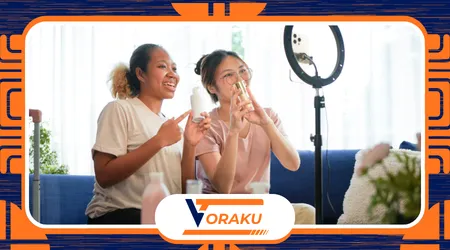
The sociology of influencer authority reveals itself in that late-night scroll when a single unpolished post from an unknown account suddenly sways opinions more swiftly than any newspaper column or official briefing.
A teenager sets down her spoon, rereads the caption twice, and quietly doubts the reliability of a brand she has trusted for years.
Down the hallway, a parent forwards the clip without comment.
By sunrise, sales figures twitch, hashtags surge, and even policy conversations feel the distant tug.
These small pivots happen constantly, yet the machinery driving them remains both strangely inevitable and quietly unsettling.
The sociology of influencer authority sits where crumbling faith in old gatekeepers collides with the raw mechanics of the attention economy.
Platforms did not deliberately crown new rulers.
They simply optimized for what kept eyes glued—raw visibility, emotional spikes, the feeling of being personally addressed.
What rarely gets discussed is how quickly this flipped older hierarchies. Credentials faded. Perceived closeness took their place.
Continue reading the text and learn more!
The Road Map
- The Roots of Digital Authority in Early Social Media
- How Algorithms Turned Relatability Into Power
- Parasocial Bonds and the Illusion of Friendship
- A Human Story: One Creator’s Rise and Its Ripple Effects
- Historical Parallels and What Shifted
- Comparative Table: Traditional vs. Influencer Authority
- The Future Tradition Taking Shape
- FAQ Editorial
Where Did This New Form of Authority Actually Come From?
Traces surface in the mid-2000s as YouTube and early blogs let ordinary users broadcast unfiltered slices of life.
Makeup routines, workout logs, impassioned rants—consistency and personality proved enough to gather followings that once required institutional backing.
By the 2010s, Instagram and TikTok poured fuel on the shift. Algorithms learned to reward whatever sparked comments, shares, and dwell time.
A creator who triggered strong reactions climbed regardless of diplomas or press passes.
Trust in legacy media had already worn thin after repeated crises, scandals, and accusations of bias. People gravitated toward voices that felt like neighbors rather than distant experts.
There is something unsettling here. The sociology of influencer authority did not arise from a vacuum.
It filled a hunger left by fraying institutions, accelerated by systems that measured success in seconds of attention rather than depth of knowledge.
++ How Gamification Is Influencing Daily Life
A detail that often slips past is how fast relatability hardened into a new kind of legitimacy.
++ The Rise of Microcultures in Digital Spaces
How Did Algorithms Turn Relatability Into Power?
No one planned the coronation. Platforms chased engagement metrics to keep users scrolling and advertisers happy.
The outcome quietly redistributed sway.
Creators who mastered vulnerability, humor, or righteous anger gained outsized reach.
Audiences, flooded with information, responded to anything that cut through the noise with a human face.
The pattern repeats across every dominant app. Beauty creators became de facto dermatologists.
Fitness accounts set unspoken standards for bodies and discipline.
Political voices shaped how young people framed elections.
The sociology of influencer authority lives inside this feedback loop: platforms amplify what holds attention, creators adapt their tone and topics, followers grant authority through sustained emotional investment.
What shifted afterward was subtle but deep.
Credibility detached from institutional stamps and reattached to the performance of authenticity.
++ Why Algorithmic Bias Shapes Cultural Trends
Why Do Followers Treat Influencers Like Trusted Confidants?
Parasocial bonds provide the invisible glue.
The concept dates back to mid-twentieth-century television studies, describing one-sided emotional connections with on-screen figures.
Online, the illusion scaled dramatically.
Followers comment as though chatting with friends.
Creators answer selectively, drop personal disclosures, and maintain the sense of intimacy even while addressing millions.
The relationship feels reciprocal even when it is structurally not.
This explains why an influencer’s casual product mention or lifestyle tip carries more weight than many traditional endorsements.
The connection feels lived-in.
When that perceived friendship sways purchases, health decisions, or political leanings, authority solidifies into something structural.
The more honest reading suggests this is less outright manipulation and more a symptom of genuine human longing for guidance amid information overload and social fragmentation.
Imagine a Young Creator in 2018
Consider Lena, twenty-three, working shifts at a coffee shop in a mid-sized Midwest city.
She begins filming quick makeup tutorials on her phone during breaks, sharing honest struggles with skin issues and budget routines.
Within months her following swells. Brands send free samples. Sponsorship checks arrive.
Her audience—largely young women—starts messaging about breakups, confidence, and daily doubts as if writing to an older sibling.
Lena never intended to wield influence.
Yet her posts begin quietly reshaping routines, shopping lists, and self-image for thousands of strangers.
When she expresses doubt about a trending restrictive diet, comment sections fill with users rethinking their own choices.
Conversations in school hallways and family kitchens start echoing her phrasing.
Her trajectory humanizes the larger current: one person’s curated vulnerability can redraw everyday norms for people she will never meet in person.
The ripple moves outward in ways that feel both empowering and strangely weighty.
What Changed After Influencers Became the New Gatekeepers?
Discourse splintered into digital lanes. Traditional experts suddenly competed for space on the same feeds where relatability ruled.
Marketing budgets tilted toward creators who delivered measurable interaction.
Campaigns courted micro-influencers in key demographics.
The sociology of influencer authority reshaped not only what people bought but how they formed beliefs and found community.
A spare comparison captures the quiet realignment:
| Era | Authority Figure | Basis of Trust | Speed of Reach | Social Texture |
|---|---|---|---|---|
| Pre-2005 | Journalists, credentialed experts | Institutions, formal expertise | Slow, mediated | Shared reference points |
| 2010s onward | Influencers | Relatability, emotional response | Instant, algorithmic | Personalized realities and tribes |
The table highlights a clear trade. Access broadened. Barriers lowered. Yet shared factual ground sometimes fractured in the process.
How Is This Becoming a Future Tradition?
Influencer authority is settling into something more durable than a fleeting digital fashion.
It operates like an emerging social technology for fragmented times—offering guidance, taste-making, and belonging when older sources feel remote.
Younger cohorts increasingly look to creators as cultural reference points, seeking advice on money, mental health, and identity.
The sociology of influencer authority suggests this is not a temporary disruption but a lasting adaptation.
Platforms reward sustained performance of care.
Followers, hungry for connection, reciprocate with loyalty. The emerging tradition is decentralized, affective, and obsessively quantified.
Authority now flows from the capacity to make large audiences feel individually seen.
That pattern shows every sign of outliving particular apps or platforms.
The sociology of influencer authority ultimately exposes a tacit exchange. Platforms trade visibility for data and revenue.
Creators trade pieces of performed self for income and status.
Audiences trade a measure of skepticism for the comfort of belonging.
Each party gains something tangible. Each also concedes something harder to measure.
This bargain is quietly reshaping how societies argue, cohere, and decide what deserves trust.
Frequently Asked Questions
Are influencers genuinely more trusted than traditional experts?
For many younger audiences, yes. The feeling of personal connection often outweighs formal credentials.
That trust is sincere for followers, yet it rests more on emotional performance than on verifiable depth.
Why do platforms hand so much power to unverified voices?
Engagement numbers drive revenue.
Algorithms promote whatever keeps users scrolling longer, and content laced with personality and emotion tends to win that contest more reliably than detached analysis.
Do parasocial relationships end up harming followers?
They can offer real comfort and practical advice. At the same time, the one-sided emotional investment sometimes leaves people feeling empty when a creator shifts direction or vanishes.
Moderation and real-world anchors help.
Will regulations ever meaningfully limit influencer authority?
Attempts at disclosure rules and advertising standards exist, but the landscape moves faster than policy.
Enforcement stays uneven because the incentives built into the platforms are so strong.
Can traditional institutions win back ground?
They can, but only by borrowing some of the same tools—greater transparency, direct engagement, and personality—while holding onto rigorous standards. Pure resistance rarely works.
Is this style of authority likely to endure?
It bears every mark of becoming a settled tradition.
As long as people seek guidance that feels immediate and intimate, those who deliver it will continue to hold real sway.
The next time a notification draws the eye to a polished face offering insight or recommendation, the pause matters.
The sociology of influencer authority is not merely about likes, sponsorships, or fleeting trends.
It concerns how societies are slowly selecting new arbiters of taste, truth, and normalcy—one scroll, one comment, one quiet shift in perception at a time.
That selection is still very much in motion.
Links Recomendados:
For a deeper sociological lens, explore this analysis drawing on Pierre Bourdieu’s ideas: Into the Capitalistic Field of Influencer Culture.
And for insight into the risks and regulatory needs, see the University of Portsmouth research: New research unveils the “dark side” of social media influencers.
