
How Imperial China Managed Power Without a Standing Army
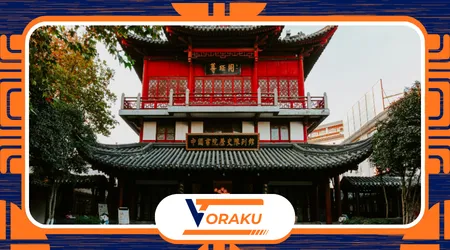
Imagine slipping through the shadowed corridors of the Forbidden City during the Ming Dynasty, where the air hummed not with the clash of steel but with the rustle of silk and the scratch of brushes on paper.
How Imperial China managed power without a standing army feels almost like a whisper in those vast halls—I’ve lingered there myself, tracing the ghosts of emperors who ruled through cunning rather than constant force.
It wasn’t some fragile peace; it was a calculated web, spun from rituals and loyalties that bound an empire tighter than any garrison could.
Continue reading the text and learn more!
Summary of Article Topics
- Introduction: Narrative glimpse into the Forbidden City and the essence of imperial control.
- Why Would an Empire Shun a Full-Time Military?: Roots in fear of coups and the junhu household system.
- How Did Bureaucracy Become the Ultimate Weapon?: The civil service as a shadow force, infused with Confucian ideals.
- What Forces Kept the Provinces in Check?: Economic ties, social networks, and a grounded human example from Sichuan.
- Did This System Ever Crack Under Pressure?: Vulnerabilities exposed in dynastic falls, with lingering echoes in modern governance.
- How Does This Compare to Other Empires?: A stark table contrasting approaches across history.
- What Lingers in Our World Today?: Subtle social legacies, wrapped in a narrative of enduring impacts.
- Frequently Asked Questions: Direct answers to six probing reader queries.
Why Would an Empire Shun a Full-Time Military?
Think of a fledgling emperor, throne still warm, his counselors murmuring about the ruins of prior dynasties.
There’s something unsettling in how Imperial China dodged a permanent army—not mere thrift, but a deep-seated wariness born from bloody precedents.
The Han era kicked off with triumphant conquests, only to swiftly disband bloated forces, haunted by the specter of ambitious warlords turning blades inward.
Take the Song Dynasty; they shattered command structures on purpose, parceling out authority like shards of a broken vase. No one general could grasp the whole.
This wasn’t whimsy—it echoed the Tang’s downfall, where aristocratic generals grew too bold.
In my view, it’s a shrewd trade-off: sacrificing sheer might for a quieter endurance.
They leaned on the junhu, those hereditary military families, pulling soldiers from the soil when crises loomed.
A junhu man in Shandong might spend decades knee-deep in rice paddies, summoned sporadically for frontier dust-ups, then sent back to his plow.
Efficient, sure, but it wove duty into the everyday grind, keeping the empire’s purse light and mutinies rare.
What slips notice often is how this setup turned potential rebels into stakeholders, their lives intertwined with the state’s survival.
++ Shadows Beneath the Surface: The Secret Intelligence Networks of the Cold War Era
How Did Bureaucracy Become the Ultimate Weapon?
Peel back the layers of martial legend, and you uncover a civil apparatus that functioned like an unseen sentinel. Scholars, forged in the fire of imperial exams, manned the gears of governance.
They weren’t sword-wielders, yet their decrees rippled from the Yellow River to distant steppes, enforcing edicts with ink alone.
How Imperial China managed power without a standing army really pivoted on this—bureaucrats as the throne’s quiet blade.
The emperor loomed like a distant peak, with officials scrambling the slopes below.
The Ming honed it further, deploying eunuchs as watchful eyes on any military stirrings, nipping disloyalty before it bloomed.
It channeled raw ambition into ledgers and reports, not coups.
Here’s a nuance that’s often glossed over: ideology as the true enforcer.
Confucianism didn’t just preach order; it etched it into souls, framing defiance as a tear in the cosmic fabric.
I’ve mulled this over late nights—it’s akin to a cultural gravity, pulling society toward compliance without a single patrol.
Emperors didn’t garrison every village because the philosophy did the heavy lifting, making harmony the unspoken law.
++ Why the Byzantine Empire Survived Longer Than Rome Itself
What Forces Kept the Provinces in Check?
Those far-flung territories, restless as untamed rivers, stayed leashed through subtler currents.
Tribute from neighbors softened borders, turning would-be invaders into uneasy allies. But the real anchor?
A grip on the granaries and waterways—the Grand Canal, that vital artery pulsing grain from south to north, rewarded fealty with full bellies.
Picture a junhu clan in Sichuan during Ming times: the patriarch returns from a grueling watch on the northern fringes, his stories of dust and arrows weaving into family lore.
His son inherits the call, not as glory but as grim necessity. This isn’t abstract policy; it’s flesh and obligation, forging bonds that outlast seasons.
When you dig deeper, it reveals a social alchemy—transforming individual burdens into collective resilience.
Clans and local elites played informant, their whispers quelling sparks of unrest.
Emperors dangled incentives, like lighter taxes for the loyal, twisting self-preservation into submission.
It’s a pattern that whispers of human frailty, where greed and fear dance in uneasy tandem.
++ The Forgotten Diplomacy That Almost Prevented World War II
Did This System Ever Crack Under Pressure?
History rarely spares illusions, and this one splintered too. The Song, for all their poetic brilliance, crumbled under nomadic hooves because their piecemeal forces couldn’t rally in time.
What shifted in the aftermath, almost imperceptibly?
Successors like the Qing blended in elite bannermen, a nod to standing might, yet still shackled them under scholarly oversight.
There’s an undercurrent of irony here: dodging a full army warded off internal storms but beckoned barbarians at the gates.
The Mongols feasted on that division in the 1200s, sweeping through like a prairie fire.
Still, the framework persisted, rooted in China’s agrarian heartbeat—war as unwelcome intruder, not perpetual pursuit.
How Imperial China managed power without a standing army lingers in subtler ways now, shaping how some regimes favor watchful eyes and shared myths over bristling barracks.
It nudges us to reconsider power’s quiet forms, those that endure beyond the clamor.
How Does This Compare to Other Empires?
To truly weigh its ingenuity, stack it against the giants of old. Rome forged its domain on relentless legions, ever-ready but ever-costly, eventually devouring their own caesars.
Persia scattered forces among governors, inviting fractures like cracks in dry earth.
A quick table sharpens the contrast:
| Empire | Military Approach | Key Strength | Major Weakness |
|---|---|---|---|
| Imperial China | Episodic conscripts, minimal permanent troops | Budget-friendly, tight civilian reins | Delayed muster in crises |
| Roman Empire | Enduring professional ranks | Swift strikes, iron discipline | Draining coffers, emperor-toppling plots |
| Persian Empire | Regional armies tied to satraps | Adaptable to vast lands | Fickle allegiances, easy uprisings |
China’s wager on subtlety over showmanship paid off in longevity, if not always in conquest.
What Lingers in Our World Today?
These threads weave into the present fabric, almost unnoticed.
States grappling with fiscal woes mirror it in reservist models and digital watchful nets, favoring endurance over excess.
A narrative sketch of the social ripples: junhu duties built toughness but sowed inequities, their weight unevenly borne, nurturing a ethos of stoic collectivism that echoes in East Asian resilience today.
I’ve challenged the old tale of China as war-obsessed; it’s more a story of restraint’s cunning edge.
As empires waxed and waned, this method held the core steady, a quiet testament to power’s hidden arts.
It leaves us pondering: in an age of endless vigilance, might the softest chains bind the strongest?
Frequently Asked Questions
Why didn’t Imperial China keep a huge army all the time?
The dread of homegrown rebellions loomed large—generals with idle hands often eyed the throne.
They opted for on-demand drafts, starving potential rivals of a platform.
How did they defend against invasions without full-time soldiers?
A blend of shrewd pacts, like extracting tribute from fringes, and rapid peasant call-ups. Officials orchestrated it all, with cultural norms snuffing internal flames.
++ Political systems of Imperial China
What role did Confucianism play in this?
It wove hierarchy into the moral weave, turning obedience into instinct. Emperors amplified it to foster self-policing crowds.
Did this system work for every dynasty?
Hardly seamless—the Song buckled under swift raiders. Yet the Ming twisted it into centuries of relative calm.
How does this connect to modern China?
The party’s firm hand on the military recalls that ancient civil dominance, all about steadying the ship.
Was there ever a shift to a standing army?
The Qing introduced bannermen elites, but bureaucrats still clutched the strings, wary as ever.
